
Basic Foundations of Christian Interpretation
The inductive Bible study method is a systematic approach designed to bridge historical, cultural, and linguistic gaps between the ancient text and the modern reader. By narrowing these interpretive barriers, students can accurately discern the original meaning of the Scriptures and relevantly apply them to contemporary situations.
An apt analogy for this process is solving a complex jigsaw puzzle. Initially, the pieces appear jumbled and disorganized. A systematic student must first sort the pieces (Observation), carefully connect them based on context and contours (Interpretation), and finally view the completed, unified image (Application). Once finished, you can appreciate the comprehensive picture, display the analytical work you have accomplished, or dismantle it—though, unlike a puzzle, the truths of Scripture are intended for permanent lifestyle integration rather than being packed away.
The inductive method relies on three foundational pillars: Observation, Interpretation, and Application. This framework ensures objective discovery, allowing the Bible to speak for itself rather than forcing preconceived ideas onto the text (a flawed approach known as eisegesis). Ultimately, the Scriptures serve as the objective standard and ultimate rule against which all theological teachings and doctrines must be evaluated.
Contextual Analysis: Examining the immediate paragraphs before and after the text to ensure the passage is not isolated.
Historical and Cultural Analysis: Investigating the ancient customs, political climates, and historical settings that influenced the writer.
Literary Flow: Tracking the author's linear train of thought across the entire book to see how individual verses serve the broader argument.



Start with the Biblical Understanding (the text's original meaning).
Extract the underlying, timeless spiritual principles or universal commands.
Transfer and apply those principles directly to our modern lives
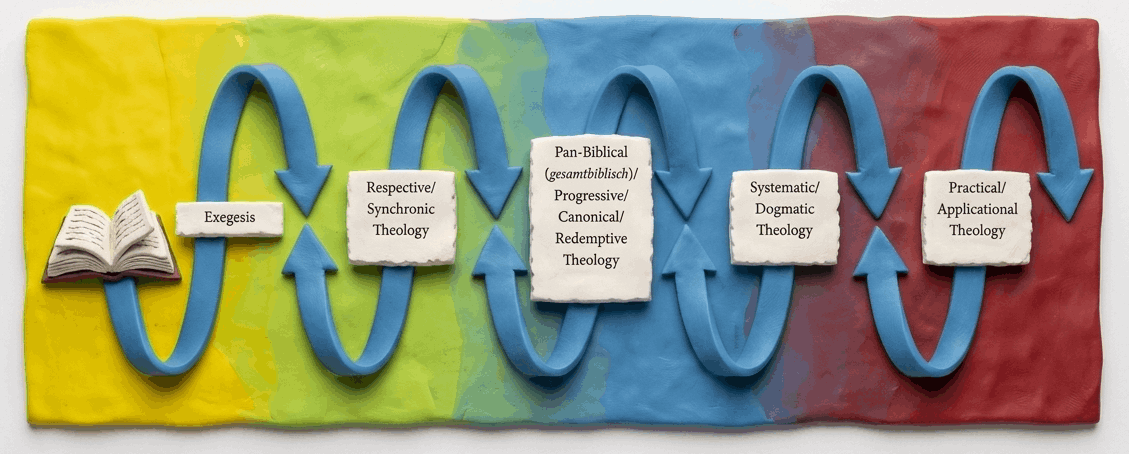
When we synthesize these applied principles into our daily lives, it becomes our Christian Understanding of the text (a lived worldview).
Inductive Bible study feeds directly into two major branches of theology:
Biblical Theology: This branch studies the specific theological themes of individual books or authors as they progressive unfold throughout redemptive history. Each book of the Bible expounds its own unique emphasis, which ultimately weaves into a unified, holistic scriptural narrative.
Systematic Theology: This branch takes the conclusions of Biblical Theology and organizes them topically. Believers create a Systematic Theology when they collect everything the entire Bible says about a specific subject (such as humanity, salvation, or the character of God) and synthesize it into a comprehensive, structured overview for Christian living.


No Code Website Builder